
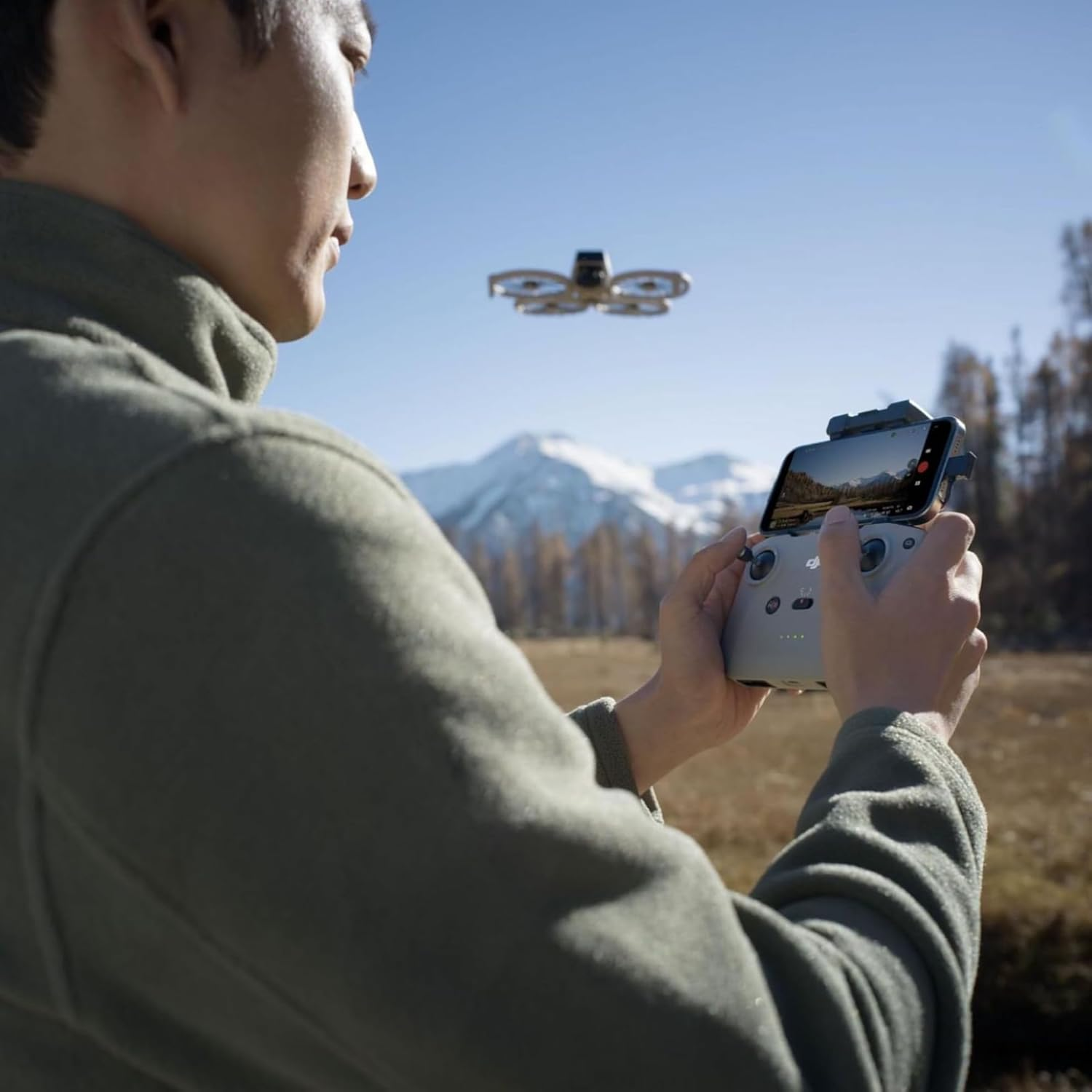
Camera drones have completely transformed photography and videography in 2026. What was once considered niche technology reserved for filmmakers and commercial pilots has now become an essential creative tool for travelers, vloggers, photographers, real estate agents, and content creators worldwide.
Modern drones are smarter, safer, and easier to fly than ever before. Today’s top drones feature advanced AI-powered tracking systems, cinematic 4K and 6K video recording, obstacle avoidance sensors, extended battery life, and lightweight foldable designs that make them highly portable.
Whether you are searching for a beginner-friendly drone for casual flying, a compact travel drone for social media content, or a professional aerial cinema platform for commercial production, there is now a drone tailored for every skill level and shooting style.
In this guide, we explore the best camera drones of 2026 in detail, including their key specifications, strengths, weaknesses, and the type of users they are best suited for.
1.DJI Mini 4 Pro
Best for Most People
The DJI Mini 4 Pro remains one of the most popular and highly recommended drones in 2026 because it delivers an exceptional combination of portability, intelligent flight performance, and professional-level imaging in a compact, travel-friendly body.
What makes this drone stand out is its ability to offer flagship-style features in a beginner-friendly form factor. It is designed for creators who want high-quality aerial footage without dealing with bulky equipment or complex setup processes.
One of its most important advantages is its ultra-lightweight design, weighing just under the 250-gram threshold. This makes it especially appealing to recreational users, as it often avoids stricter registration requirements in many regions, making it easier to travel with and fly in everyday situations.
Despite its small size, the Mini 4 Pro is equipped with advanced technology typically reserved for much larger and more expensive drones, including intelligent obstacle sensing, high-quality 4K imaging, long-range transmission, and smart tracking capabilities. This allows it to deliver smooth, cinematic footage while remaining extremely easy to fly—even for beginners.
In real-world use, it performs far beyond what its size suggests, making it a true “all-in-one” drone for travel creators, vloggers, and casual photographers who still want professional-looking results.

Specifications
Pros
Cons

2.DJI Flip
Best Budget Pick
The DJI Flip stands out in 2026 as one of the most thoughtfully designed entry-level drones, offering a rare balance of affordability, ease of use, and surprisingly capable imaging performance. It is built specifically for beginners and casual creators who want to capture high-quality aerial content without dealing with the complexity or risk that often comes with advanced drone systems.
What makes the DJI Flip particularly appealing is how intentionally it is engineered for learning and safety. Unlike many entry-level drones that sacrifice protection to cut costs, the Flip integrates built-in propeller guards directly into its frame design. This not only reduces the likelihood of damage during crashes or rough landings but also gives new pilots the confidence to practice in tighter spaces, indoors, or in unpredictable outdoor conditions.
Despite its budget-friendly positioning, the DJI Flip does not feel “basic” in use. It offers stable flight control, responsive handling, and reliable GPS-assisted hovering that makes it easy to capture smooth footage even for first-time users. Its lightweight and compact design also makes it highly portable, allowing users to carry it easily for travel, street content creation, or spontaneous shooting sessions.
Another major advantage is its vertical shooting support, which is increasingly important in today’s social media-driven landscape. The DJI Flip is especially well-suited for platforms like TikTok, Instagram Reels, and YouTube Shorts, enabling creators to capture ready-to-post vertical content without heavy editing or cropping. This makes it a practical tool not just for flying, but for modern content creation workflows.
Overall, the DJI Flip is positioned as a beginner-friendly drone that doesn’t feel limited. It brings together safety, simplicity, and social-media-ready features in a way that makes aerial photography accessible to a much wider audience.

Key Specifications
Pros
Cons

3.DJI Mavic 4 Pro
The Professional Powerhouse
The DJI Mavic 4 Pro stands at the top tier of professional drones in 2026, engineered specifically for filmmakers, commercial photographers, and content creators who require uncompromising image quality, precision flight control, and advanced aerial filmmaking capabilities. It represents DJI’s most refined balance of power, intelligence, and creative flexibility, making it a leading choice for high-end drone cinematography and professional production workflows.
At the core of its performance is a groundbreaking triple-camera system, headlined by a massive 100MP Hasselblad main sensor that delivers exceptional dynamic range, color accuracy, and ultra-detailed image capture. This allows professionals to produce cinema-grade visuals with remarkable clarity, even in challenging lighting conditions. Complementing this is its ability to record ultra-high-resolution 6K HDR video, giving filmmakers the depth and flexibility needed for advanced post-production editing, color grading, and commercial storytelling.
Beyond imaging, the DJI Mavic 4 Pro is built for reliability and safety in complex shooting environments. Its next-generation omnidirectional obstacle sensing system provides intelligent, real-time environmental awareness, significantly reducing the risk of collisions during high-speed or low-altitude flights. This makes it highly dependable for demanding shoots such as tracking moving subjects, capturing dynamic landscapes, or operating in tight urban spaces.
The drone also benefits from DJI’s advanced flight intelligence system, offering smooth stabilization, extended transmission range, and precise control responsiveness. These features ensure that creators can focus entirely on composition and storytelling without being limited by technical constraints.
Overall, the DJI Mavic 4 Pro is not just a drone—it is a professional aerial cinematography platform built for creators who demand industry-leading performance, cinematic output, and unmatched creative control in 2026.

Specifications
Pros
Cons

4.DJI 360 Choice
The Antigravity A1 emerges as one of the most innovative non-DJI drones in 2026, redefining aerial storytelling through its fully immersive 360-degree capture system. Instead of focusing on a single fixed perspective, it is engineered to record the entire environment in every direction at once, giving creators complete freedom to shape their final footage in post-production. This makes it a powerful tool for filmmakers, travel creators, and experimental content producers who want to push beyond traditional drone cinematography.
Developed in collaboration with Insta360 technology, the Antigravity A1 integrates advanced panoramic imaging capabilities that allow users to capture ultra-wide, distortion-free aerial footage with exceptional clarity. Rather than worrying about framing during flight, pilots can focus entirely on movement and composition, knowing that every angle is being recorded simultaneously.
What truly sets the Antigravity A1 apart is its revolutionary “shoot first, frame later” approach. This workflow allows creators to reframe shots after filming, selecting dynamic perspectives, transitions, and camera angles in editing that would be impossible with conventional drones. As a result, it opens up new possibilities for storytelling, enabling more cinematic, flexible, and experimental aerial content creation.
In essence, the Antigravity A1 is not just a drone but a creative imaging platform designed to transform how aerial footage is captured, edited, and experienced.

Specifications
Pros
Cons

5.DJI Neo
Best for Selfies and Vlogs
The DJI Mini 4 Pro continues to dominate the compact drone category in 2026 as one of the most well-balanced and versatile drones available for both beginners and experienced creators. It has built a strong reputation as a “do-it-all” aerial platform, combining portability, intelligent flight performance, and professional-grade imaging in a lightweight, travel-friendly design. For many users, it represents the ideal entry point into high-quality drone photography without the complexity or bulk of larger professional systems.
What makes the Mini 4 Pro especially appealing is how effectively it bridges the gap between simplicity and advanced capability. While it is small enough to fit into a backpack and easy enough for first-time pilots to operate confidently, it still delivers features typically found in much more expensive flagship drones. This includes advanced obstacle sensing, intelligent subject tracking, and high-resolution 4K HDR video capture, all of which contribute to smooth, cinematic results with minimal effort from the user.
Its sub-250g weight class is another major advantage, making it highly convenient for travel creators and everyday users. In many regions, this lightweight design reduces regulatory restrictions, allowing for easier takeoff, portability, and spontaneous shooting without extensive preparation or licensing concerns. This makes it particularly attractive for vloggers, travel photographers, and social media creators who need a reliable drone that can be used quickly and frequently.
Beyond convenience, the DJI Mini 4 Pro also excels in real-world performance. It delivers stable flight handling, long-range transmission, and smart automation features that make capturing professional-looking footage more accessible than ever. Whether used for scenic landscapes, urban exploration, or social media content creation, it consistently produces sharp, cinematic visuals that exceed expectations for its size.
In essence, the DJI Mini 4 Pro stands out not just as a compact drone, but as a complete creative tool that balances portability, intelligence, and imaging quality, making it one of the most recommended drones for everyday use in 2026.

Specifications
Pros
Cons

Frequently Asked Questions (FAQs)
Conclusion
The drone market in 2026 has reached an impressive level of innovation, offering something for every type of user from complete beginners to professional filmmakers. Whether your priority is ease of use, cinematic image quality, portability, or creative freedom, today’s top drones are designed to meet those needs with remarkable precision.
For beginners, models like the DJI Mini 4K and DJI Flip provide a smooth entry into aerial photography thanks to their stable flight systems, simplified controls, and lightweight builds that make learning both safe and enjoyable. On the other hand, professionals seeking unmatched image quality will find the DJI Mavic 4 Pro leading the way with its advanced imaging system, cinematic HDR capabilities, and powerful flight performance.
One of the key decisions when choosing a drone comes down to balancing portability and performance. Lightweight drones are ideal for travel and convenience, while larger, more advanced models offer stronger wind resistance, longer flight times, and superior camera systems for demanding creative work. Similarly, modern features like obstacle avoidance, AI tracking, and gimbal stabilization continue to make flying safer, smoother, and more accessible than ever before.
It is also important to understand that most drones operate independently of internet connectivity, relying instead on GPS and radio signals for control and navigation. This ensures reliable performance even in remote locations. Additionally, features such as obstacle avoidance play a crucial role in preventing collisions, especially in complex environments, giving pilots greater confidence when flying.
Ultimately, the best drone for you depends on your experience level, creative goals, and how you plan to use it. Whether you are capturing travel memories, creating social media content, or producing professional cinematic footage, the right drone will significantly enhance your storytelling and open up entirely new perspectives from the sky.
As drone technology continues to evolve, aerial photography is becoming more intuitive, more powerful, and more accessible to everyone making this the perfect time to take flight.