
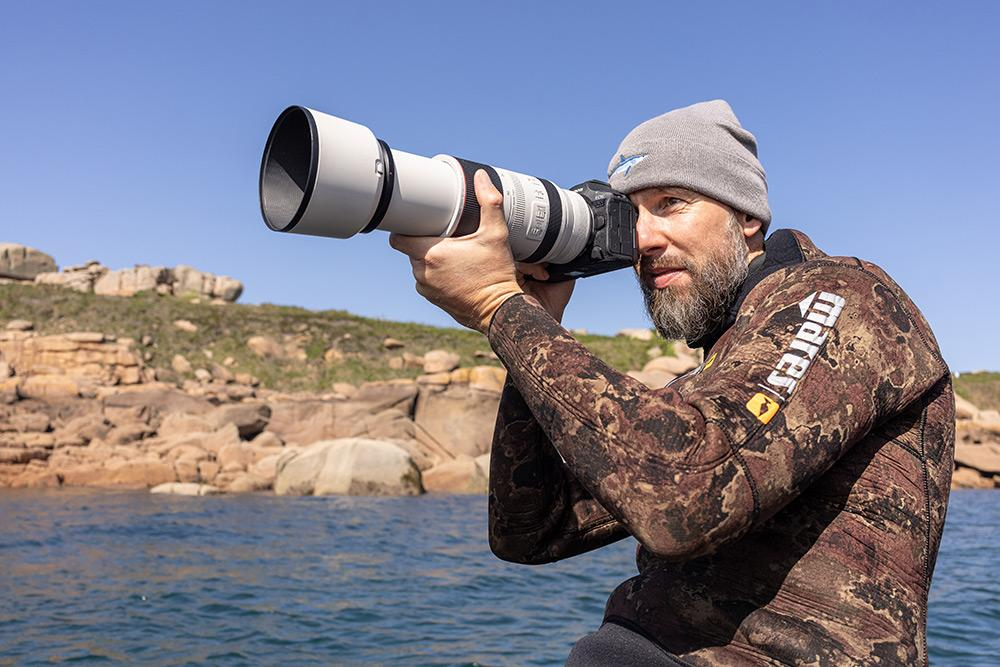
Wildlife photography is one of the most exciting yet demanding photography genres. Capturing birds in flight, fast-moving predators, or animals in low-light environments requires a camera with exceptional autofocus, fast burst shooting, strong image quality, and reliable weather sealing. Choosing the right camera can make the difference between missing the moment and capturing a breathtaking wildlife shot.
In 2026, camera manufacturers have pushed wildlife photography technology further than ever before. Features like AI-powered animal eye autofocus, blackout-free shooting, 8K video, ultra-fast burst rates, and advanced image stabilization now give photographers an incredible advantage in the field.
Whether you are a beginner wildlife enthusiast or a professional nature photographer, this guide covers the best wildlife photography cameras in 2026 based on performance, reliability, features, and value .
1. Nikon Z8
Best Overall Wildlife Camera
The Nikon Z8 stands out in 2026 as one of the most powerful and well-balanced wildlife cameras ever released. It takes much of the technology found in Nikon’s flagship Z9 and packages it into a smaller, more portable body, making it ideal for photographers who need professional performance without the bulk. For wildlife and bird photography—where speed, accuracy, and reliability are everything—the Z8 delivers consistently outstanding results in the field.
What makes the Z8 especially impressive is how well it handles fast and unpredictable subjects. Wildlife photography often involves sudden movements, changing lighting conditions, and long shooting sessions in challenging environments. The Z8 is designed specifically for this reality, offering a combination of high resolution, advanced autofocus intelligence, and fast continuous shooting that allows photographers to capture critical moments with precision and clarity.

The Nikon Z8 is widely considered one of the best all-around wildlife cameras in 2026. It combines flagship-level autofocus, superb image quality, excellent video features, and professional performance in a smaller body than the Z9.
Key Specifications
Pros
- Extremely fast and accurate autofocus system for wildlife tracking.
- Outstanding balance between high resolution and shooting speed.
- Excellent low-light performance for early morning or evening shoots.
- Professional-grade video capabilities for hybrid creators.
- Strong Nikon telephoto lens ecosystem for wildlife photography.
- Compact design compared to flagship Z9 while retaining similar performance.
Cons
- Expensive investment, especially for beginners.
- Battery life is shorter compared to the Nikon Z9.
- Requires high-quality lenses to fully maximize performance.
- Advanced features may be overwhelming for entry-level users.
The Nikon Z8 is best suited for:
- Professional wildlife photographers.
- Bird photography specialists.
- Safari and travel photographers.
- Hybrid creators who shoot both photos and video.
- Content creators producing nature documentaries or cinematic wildlife footage.
Final Verdict
The Nikon Z8 is one of the most complete wildlife cameras available in 2026. It combines speed, resolution, autofocus intelligence, and video performance into a single compact body, making it an exceptional choice for serious photographers.
While the price may be high for beginners, its performance easily justifies the investment for professionals and dedicated wildlife shooters. If you are looking for a camera that can handle fast action, unpredictable wildlife behavior, and high-end video production, the Nikon Z8 remains one of the best all-around choices on the market today.
2. Sony A1 II
Best High-Speed Wildlife Camera
The Sony A1 II is a flagship-level wildlife camera built for professional photographers who need extreme speed, ultra-high resolution, and advanced autofocus performance. It is designed to handle fast-moving subjects such as birds in flight, predators in motion, and unpredictable wildlife behavior in challenging outdoor environments.
What makes it stand out is its ability to combine high resolution with ultra-fast performance in a single body. Unlike many cameras that force a trade-off between speed and detail, the Sony A1 II delivers both, making it one of the most powerful and versatile wildlife cameras in 2026.
At its core, the camera features a 50MP full-frame sensor that produces extremely detailed and sharp images. This allows photographers to crop heavily while still maintaining excellent clarity, which is especially useful when shooting distant wildlife or fast-moving subjects.
Despite its high resolution, the Sony A1 II remains incredibly fast, offering up to 30 frames per second continuous shooting. This ensures photographers can capture split-second wildlife moments with precision, whether it’s a bird taking off or a predator sprinting across the frame.
Its AI-powered autofocus system further enhances performance by accurately tracking animals and birds even in complex environments like forests or low-light conditions. Combined with 8K video recording, the Sony A1 II also serves as a powerful hybrid tool for photographers and filmmakers who want both high-quality stills and cinematic video in one system.

Key Specifications
- 50MP full-frame stacked CMOS sensor.
- Up to 30 FPS continuous shooting.
- AI-powered subject recognition autofocus.
- Real-time animal and bird eye tracking.
- 8K high-resolution video recording.
- Advanced predictive autofocus system.
- Ultra-fast processing engine.
- Professional-grade Sony E-mount system.
Pros
- Exceptional autofocus accuracy and AI tracking system.
- Extremely high resolution for detailed wildlife shots.
- Incredible cropping flexibility without losing quality.
- Blazing-fast 30 FPS burst shooting.
- Strong Sony lens ecosystem, especially telephoto options.
- Excellent performance in fast-action wildlife environments.
Cons
- Very expensive, targeted at professionals.
- Large file sizes require high-speed storage and workflow setup.
- High performance demands more post-processing power.
- Can feel complex for beginners or casual photographers.
The Sony A1 II is best suited for:
- Professional wildlife photographers.
- Bird photography specialists.
- Safari and action wildlife shooters.
- Commercial nature photographers.
- Hybrid creators producing both photo and 8K video content.
Final Verdict
The Sony A1 II is one of the most advanced wildlife cameras ever built, combining speed, intelligence, and ultra-high resolution in a single flagship body. It is designed for professionals who cannot afford to miss critical moments in fast-paced wildlife environments.
While its price and file demands place it firmly in the professional category, its performance is unmatched for those who need maximum speed, precision autofocus, and extreme detail capture. For serious wildlife photographers in 2026, the Sony A1 II remains one of the most powerful tools available.
3. Canon EOS R5 Mark II
Best Canon Camera for Wildlife
The Canon EOS R5 Mark II is a high-end mirrorless camera designed for serious wildlife photographers and hybrid creators who demand speed, precision, and exceptional image quality in the field. Building on Canon’s advanced autofocus technology, it delivers improved subject tracking, faster continuous shooting, and enhanced video performance, making it a powerful all-in-one tool for capturing both stills and cinematic footage.
At its core, the camera features a 45MP full-frame sensor that produces highly detailed images with rich color accuracy. This level of resolution is especially valuable in wildlife photography, where subjects are often captured from a distance and require cropping without losing clarity or detail. Combined with Canon’s intelligent Animal Eye Detection autofocus, the camera maintains sharp focus on fast-moving wildlife even in challenging environments such as forests, grasslands, and low-light conditions.
With an impressive burst rate of up to 30 frames per second using the electronic shutter, the EOS R5 Mark II is built to freeze split-second action—whether it’s a bird in flight or a predator sprinting across the savannah. Its fast processing system reduces lag and ensures reliable performance when tracking unpredictable movement in real-world wildlife scenarios.
Beyond photography, it is a strong hybrid powerhouse. The camera supports 8K video recording at 60fps, allowing creators to capture ultra-detailed cinematic wildlife footage. When combined with in-body image stabilization, it produces smooth, professional-quality video even when shooting handheld in rugged outdoor conditions. This makes it an ideal choice for photographers, filmmakers, and content creators looking for a future-ready device that excels in both photography and videography.

Key Specifications
- 45MP Full-Frame CMOS Sensor.
- 12 FPS mechanical shutter / 30 FPS electronic shutter.
- Advanced Animal Eye Detection Autofocus.
- 8K/60p ultra-high-resolution video recording.
- In-body image stabilization (IBIS).
- High-speed processing engine.
- Professional RF mount compatibility.
Pros
- Outstanding 45MP image quality for detailed wildlife shots.
- Highly reliable Animal Eye Detection autofocus system.
- Compact and travel-friendly compared to DSLR systems.
- Excellent performance with Canon RF telephoto lenses.
- Strong hybrid capability for both photography and video.
- Great color science for natural-looking wildlife images.
Cons
- Can become expensive when paired with RF lenses.
- High-end features may be overwhelming for beginners.
- Battery life may require backups for long wildlife sessions.
- Full setup cost is premium compared to entry-level cameras.
Final Verdict
The Canon EOS R5 Mark II is one of the strongest Canon wildlife cameras available on Amazon in 2026. It delivers a perfect balance of high-resolution imaging, fast autofocus, and professional video capabilities, making it ideal for serious wildlife photographers.
If you are looking for a premium camera that can handle birds, safari wildlife, and hybrid video work, this model is a smart long-term investment. While the cost is high, the performance and reliability make it worth considering for professionals and dedicated enthusiasts.
4. Sony A9 III
Best for Birds in Flight
Wildlife photography is a discipline defined by precision, patience, and perfect timing but when capturing birds in flight or high-speed animal action, timing becomes everything. In 2026, photographers browsing Amazon are increasingly looking for cameras capable of freezing split-second movement with absolute clarity, ensuring no blur, distortion, or missed frames in critical moments.
The Sony A9 III emerges as one of the most advanced wildlife and sports cameras ever engineered, built specifically for professionals who operate in fast, unpredictable environments. Its breakthrough global shutter technology marks a major shift in imaging performance, allowing photographers to capture ultra-fast motion exactly as it happens in real time. Whether photographing a bird launching into the sky, a predator sprinting across open terrain, or sudden low-light wildlife encounters, the A9 III is designed to respond instantly and accurately.
For serious wildlife photographers, sports shooters, and hybrid content creators who prioritize speed, reliability, and precision above all else, the Sony A9 III stands out as one of the most powerful and future-ready mirrorless cameras available on Amazon today.

The Sony A9 III introduces groundbreaking global shutter technology, eliminating rolling shutter distortion and enabling astonishing burst speeds.
Key Specifications
- 24MP Full-Frame Global Shutter Sensor.
- Up to 120 FPS continuous shooting.
- Advanced AI-powered autofocus system.
- 4K/120p high-quality video recording.
- Blackout-free continuous shooting.
- Ultra-fast sensor readout for zero distortion.
Pros - Fastest burst shooting performance in its class.
- Revolutionary global shutter eliminates motion distortion.
- Exceptional autofocus tracking for wildlife and birds.
- Perfect for capturing fast and unpredictable movement.
- Blackout-free shooting improves tracking accuracy.
- Strong performance for action photography and video.
Cons
- Lower 24MP resolution compared to other flagship cameras.
- Premium pricing makes it a professional-level investment.
- Less ideal for heavy cropping compared to higher-megapixel cameras.
Final Verdict
The Sony A9 III is one of the most advanced wildlife and action cameras available on Amazon in 2026. Its unmatched speed, global shutter technology, and powerful autofocus system make it the ultimate choice for bird photographers and fast-action wildlife specialists.
If your priority is capturing perfect motion with zero distortion, this camera is one of the strongest investments you can make today.
5. Canon EOS R7
Best APS-C Wildlife Camera
Wildlife photography often demands expensive full-frame gear, but not every photographer needs to start there. For beginners and intermediate shooters who want strong performance without the high cost of flagship cameras, APS-C cameras remain one of the smartest entry points. In 2026, many Amazon buyers are actively looking for affordable wildlife cameras that still deliver fast autofocus, solid image quality, and enough reach to capture distant animals clearly.
The Canon EOS R7 is one of the most impressive APS-C wildlife cameras available today, offering a powerful balance of speed, resolution, and affordability. Designed for wildlife and action photography, it benefits from a crop sensor that effectively increases focal reach, allowing photographers to get closer to distant subjects like birds, deer, and fast-moving animals without investing in extremely long telephoto lenses.
At its core, the Canon EOS R7 features a 32.5MP APS-C sensor that delivers sharp, detailed images with excellent cropping flexibility—an important advantage in wildlife photography where subjects are often far away. Its fast continuous shooting speed of up to 15 frames per second with the mechanical shutter ensures you can capture quick action sequences, while Canon’s advanced Animal Eye Autofocus helps maintain sharp focus on wildlife subjects even in unpredictable movement.
Beyond performance, the EOS R7 is also designed with practicality in mind. Its lightweight and compact body makes it ideal for travel and long outdoor shooting sessions, especially for photographers moving through forests, parks, or safari environments. Combined with 4K video recording, it also supports hybrid creators who want to shoot both high-quality stills and video content without carrying heavy equipment.
For photographers who want a budget-friendly yet highly capable wildlife camera, the Canon EOS R7 stands out as one of the best APS-C options on Amazon—offering strong autofocus performance, excellent reach, and reliable speed in a portable design.

The Canon EOS R7 is an excellent APS-C camera for wildlife photographers on a budget. Its crop sensor provides extra reach for distant subjects.
Key Specifications
Pros
- Excellent value for wildlife photography beginners
- APS-C crop sensor provides extra reach for distant subjects
- Fast and reliable autofocus system
- Lightweight and highly portable for travel
- Strong entry-level wildlife performance
- Great for learning bird and animal photography
Cons
- Smaller sensor struggles slightly in low-light conditions
- Buffer can fill quickly during long burst shooting sessions
- Not as advanced as full-frame professional wildlife cameras
FAQs
1. Is the Canon EOS R7 good for wildlife photography?
Yes, it is one of the best APS-C wildlife cameras for beginners and intermediate photographers.
2. Is it better than full-frame cameras?
No, but it offers excellent value and extra reach at a lower price.
3. Can it shoot birds in flight?
Yes, its autofocus and burst speed make it very capable for bird photography.
Final Verdict
The Canon EOS R7 is one of the best budget-friendly wildlife cameras available on Amazon in 2026. It delivers strong autofocus, excellent reach, and fast shooting performance in a compact and affordable body.
For beginners and intermediate wildlife photographers who want serious results without spending a fortune, the Canon EOS R7 is one of the smartest entry points into wildlife photography today.
What Makes a Great Wildlife Photography Camera?
Before buying a wildlife camera, here are the most important features to consider:
1. Fast and Accurate Autofocus
Wildlife subjects move unpredictably. Cameras with advanced animal and bird eye tracking autofocus help keep subjects sharp.
2. High Burst Speed (FPS)
Fast continuous shooting allows you to capture critical moments like birds taking flight or animals hunting.
3. Sensor Resolution
Higher megapixels allow aggressive cropping while maintaining image quality.
4. Low-Light Performance
Wildlife photographers often shoot during sunrise, sunset, or cloudy conditions, making good ISO performance essential.
5. Weather Sealing
Outdoor photography requires cameras that can withstand rain, dust, cold temperatures, and harsh environments.
6. Lens Ecosystem
A camera system is only as strong as its telephoto lens lineup.Choose Lenses Before the Camera.
Investing in quality telephoto lenses often matters more than upgrading your camera body.

Frequently Asked Questions (FAQs)
What is the best camera for wildlife photography in 2026?
The Nikon Z8 is currently considered one of the best overall wildlife photography cameras due to its autofocus, image quality, and speed.
Is mirrorless better than DSLR for wildlife photography?
Yes. Mirrorless cameras now offer superior autofocus, silent shooting, and faster burst rates compared to most DSLRs.
Which camera is best for bird photography?
The Sony A9 III is exceptional for birds in flight because of its 120 FPS burst shooting and global shutter technology.
Are APS-C cameras good for wildlife photography?
Absolutely. APS-C cameras provide additional crop reach, making them excellent for photographing distant animals.
What lens is best for wildlife photography?
Telephoto zoom lenses between 100-600mm are ideal for wildlife photography.
Is 24MP enough for wildlife photography?
Yes, but higher megapixel sensors offer more cropping flexibility for distant subjects.

Final Verdict
Which Wildlife Camera Should You Buy?
The best wildlife photography camera depends on your budget, experience level, and shooting style.
- Choose the Nikon Z8 for the best all-around performance.
- Pick the Sony A1 II if you want ultimate speed and resolution.
- Go with the Canon EOS R5 Mark II for excellent hybrid shooting.
- Select the Canon EOS R7 if you need a powerful budget-friendly APS-C option.