
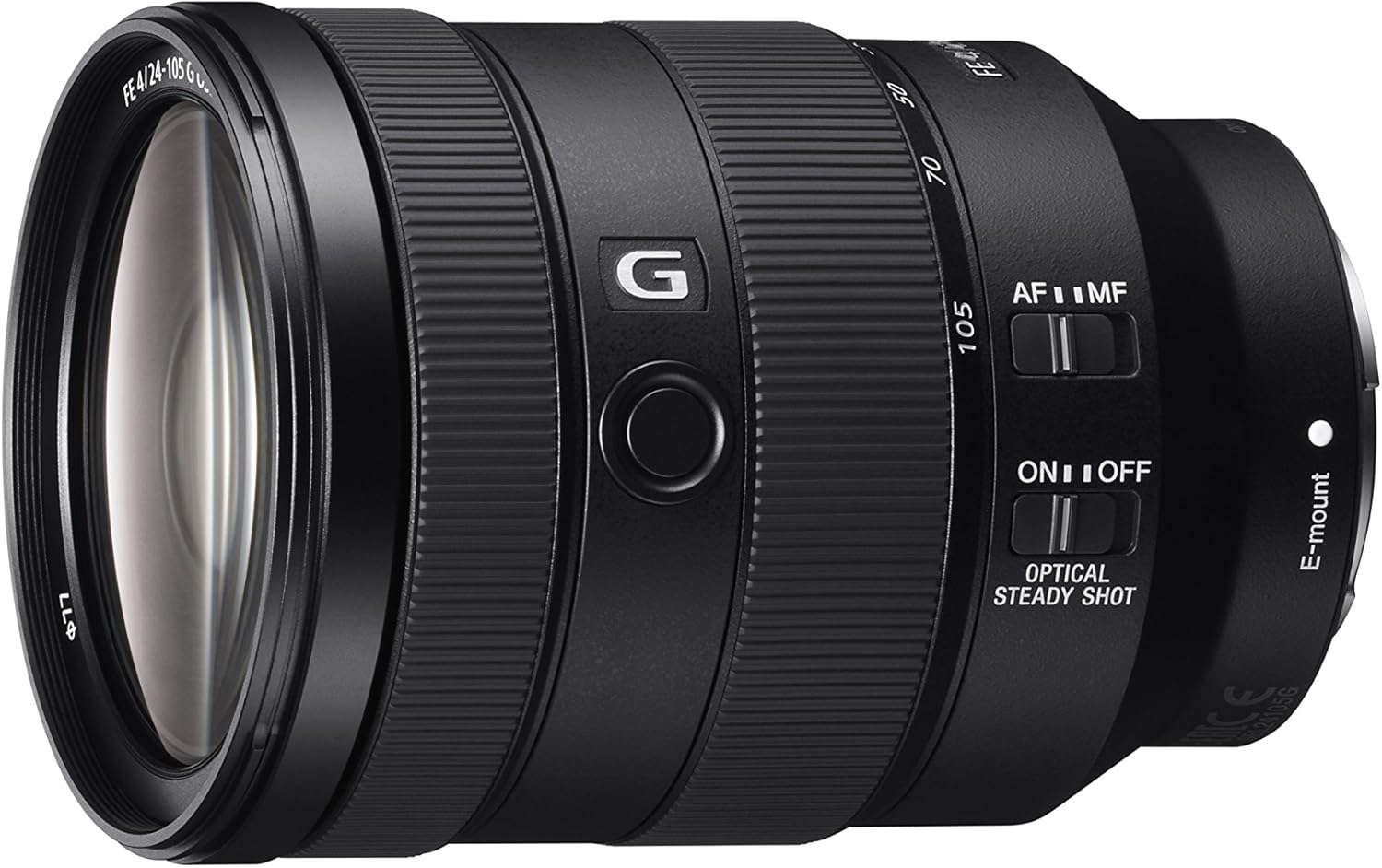
A camera body may determine how an image is captured, but the lens determines how that image looks, feels, and ultimately tells a story. While today’s cameras feature advanced autofocus systems, powerful image processors, and impressive stabilization technologies, the quality of your photographs depends heavily on the lens attached to the camera.
A high-quality lens influences image sharpness, color accuracy, contrast, depth of field, background blur (bokeh), and low-light performance, making it one of the most important investments for both aspiring and professional photographers. In fact, many experienced photographers choose to invest in premium lenses before upgrading their camera bodies because quality lenses can significantly improve image quality and remain useful across multiple camera generations.
Every photography genre demands a different type of lens, and understanding these differences can help you capture better images in any situation. Wide-angle lenses are ideal for landscapes, architecture, interiors, and travel photography because they capture a broader field of view. Standard and prime lenses produce natural perspectives and beautiful background blur, making them perfect for portraits, weddings, and street photography.
Telephoto lenses allow photographers to capture distant wildlife, sporting events, and performances with exceptional detail, while macro lenses reveal intricate textures and tiny subjects that are impossible to appreciate with the naked eye. Choosing the right lens for the job not only improves technical image quality but also expands your creative possibilities and allows you to approach every shoot with confidence.
When shopping for a camera lens, it’s important to consider more than just focal length. Factors such as maximum aperture, autofocus speed, image stabilization, optical construction, weather sealing, and overall build quality all play a crucial role in determining a lens’s performance.
Lenses with wide apertures such as f/1.4 or f/2.8 excel in low-light conditions and create beautifully blurred backgrounds that make subjects stand out. Meanwhile, lenses equipped with advanced autofocus motors and optical stabilization help photographers capture sharp images even in challenging environments, whether shooting fast-moving action, handheld in dim light, or recording smooth professional-quality video.
Building a versatile collection of lenses is one of the smartest long-term investments any photographer can make. Rather than relying on a single all-purpose lens, professionals typically carry a combination of lenses that allows them to adapt quickly to different subjects, lighting conditions, and shooting environments.
A well-rounded lens kit provides the flexibility to capture everything from breathtaking landscapes and stunning portraits to fast-paced sports, wildlife, commercial products, and close-up macro photography without compromising image quality. In this guide, we’ll explore the five best camera lenses every professional photographer should own, highlighting their key specifications, ideal use cases, advantages, drawbacks, and the reasons they deserve a place in every serious photographer’s camera bag.
1.Wide-Angle Lens (16–35mm)
A wide-angle lens is one of the most versatile tools every professional photographer should own. Typically ranging from 16mm to 35mm, it captures a broad field of view, making it ideal for landscapes, architecture, travel, real estate, and event photography. Its ability to include more of a scene while emphasizing depth and perspective helps create dramatic, immersive images.
Professionals value wide-angle lenses for their flexibility and exceptional image quality. Popular options like the 16–35mm f/2.8 and 14–24mm f/2.8 deliver sharp images, fast autofocus, and excellent low-light performance.
Advanced features such as ED glass, aspherical elements, weather sealing, and anti-reflective coatings minimize distortion, flare, and chromatic aberration, ensuring consistently high-quality results. Whether you’re capturing breathtaking landscapes, spacious interiors, or dynamic travel scenes, a premium wide-angle lens is a reliable investment for producing stunning professional photographs.

Key Specifications
✔ Focal Length: Typically 16–35mm, providing a wide field of view for landscapes, architecture, travel, and interiors.
✔ Maximum Aperture: Available in f/2.8 for superior low-light performance or f/4 for a lighter, more affordable option.
✔ Lens Type: A wide-angle zoom lens designed for versatile shooting across multiple photography genres.
✔ Sensor Compatibility: Compatible with both full-frame and APS-C cameras (with a crop factor on APS-C bodies).
✔ Image Stabilization: Optical image stabilization is included on selected models to reduce camera shake during handheld shooting.
✔ Autofocus System: Features a fast, accurate, and quiet autofocus motor for smooth photo and video performance.
✔ Minimum Focusing Distance: Focuses as close as 0.25–0.30 meters, allowing for creative close-up wide-angle shots.
✔ Optical Construction: Built with ED and aspherical glass elements to minimize distortion, chromatic aberration, and flare while maximizing sharpness.
✔ Weather Sealing: Most professional models feature weather-resistant construction for reliable use in challenging environments.
Best For
Pros
✔ Captures expansive landscapes and large scenes in a single frame with exceptional detail.
✔ Creates dramatic perspective that adds depth and visual impact to photographs.
✔ Performs exceptionally well in tight indoor spaces where stepping back is not possible.
✔ Offers outstanding versatility for landscapes, travel, architecture, real estate, and events.
✔ Delivers excellent edge-to-edge sharpness with minimal distortion on professional models.
✔ Wide apertures provide excellent low-light performance and support astrophotography.
✔ Fast, quiet autofocus ensures accurate subject tracking for both photography and video.
Cons
✘ Wide focal lengths can create perspective distortion, especially around the edges of the frame.
✘ They produce less background blur than telephoto or fast prime lenses.
✘ Composing visually balanced images often requires careful foreground positioning.
✘ Professional wide-angle lenses can be costly for beginners and hobbyists.
✘ Ultra-wide front lens elements are more susceptible to flare, reflections, and fingerprints.

A 16–35mm wide-angle lens is one of the most versatile lenses a photographer can own, making it ideal for landscapes, architecture, travel, real estate, interiors, and event photography. Its wide field of view, exceptional image quality, and ability to create dramatic perspectives allow photographers to capture immersive, high-impact images in almost any shooting environment.
Whether you’re a professional or an enthusiast, investing in a quality wide-angle lens can significantly expand your creative possibilities. With features such as fast autofocus, advanced optics, and weather-sealed construction on many models, it delivers reliable performance and consistently sharp results, making it a valuable addition to any camera kit.
2.Prime Lens (50mm or 85mm)
And just like that is a fixed focal length lens that does not offer zoom, requiring photographers to move closer to or farther from their subject to achieve the desired composition. This simple optical design allows prime lenses to deliver exceptional sharpness, wider maximum apertures, and superior image quality compared to most zoom lenses. They are highly regarded for producing stunning background blur (bokeh), making subjects stand out with a professional, cinematic look.
Among the most popular options are the 50mm and 85mm prime lenses. The 50mm, often called the “Nifty Fifty,” is a versatile choice for portraits, street photography, travel, and everyday shooting, while the 85mm is widely considered one of the best portrait lenses thanks to its flattering perspective and outstanding subject separation. With fast apertures ranging from f/1.2 to f/1.8, prime lenses excel in low-light conditions, making them an excellent investment for photographers seeking outstanding image quality and creative control.

Specifications
✔ Focal Length: Available in 50mm or 85mm, offering natural perspective or flattering portrait compression.
✔ Maximum Aperture: Features wide apertures from f/1.2 to f/1.8 for excellent low-light performance and beautiful background blur.
✔ Lens Type: A prime lens with a fixed focal length for maximum image quality.
✔ Sensor Compatibility:Compatible wifull-frame and APS-C cameras, with an adjusted field of view on APS-C bodies.
✔ Image Stabilization: Available on selected models to reduce camera shake during handheld shooting.
✔ Autofocus System:Teamfast, accurate, and quiet autofocus motors for reliable photo and video performance.
✔ Minimum Focusing Distance: Typically focuses between 0.35–0.85 meters, depending on the lens model.
✔ Optical Construction: Uses high-quality aspherical and ED glass elements to maximize sharpness while minimizing aberrations.
Best For
Pros
✔ Produces exceptionally sharp images with outstanding detail, making it ideal for professional-quality photography.
✔ Wide apertures create beautiful background blur and strong subject separation, giving portraits and close-up shots a polished, cinematic look.
✔ Delivers excellent performance in low-light conditions, allowing photographers to capture bright, clear images without relying heavily on flash.
✔ Compact and lightweight design makes it easy to carry, making it an excellent choice for travel, street, and everyday photography.
✔ Provides superior image quality compared to most zoom lenses, thanks to its simpler optical design and reduced distortion.
✔ Encourages creative composition by using a fixed focal length, helping photographers improve their framing and storytelling skills.
Cons
✘ Fixed focal length means there is no zoom capability, requiring photographers to physically move to change their framing.
✘ Requires moving closer or farther away to adjust composition, which may not always be practical in confined or crowded environments.
✘ Less flexible than zoom lenses during fast-paced events, where quickly changing focal lengths is often necessary.
✘ Switching between different prime lenses may be necessary to accommodate varying subjects and shooting distances.
✘ Wide-aperture professional models can be relatively expensive, especially premium lenses with advanced optics and weather sealing.

A 50mm or 85mm prime lens is an excellent addition to any photographer’s kit, offering exceptional sharpness, wide apertures, and impressive low-light performance. Whether you’re capturing portraits, weddings, street scenes, or lifestyle photography, these lenses consistently deliver professional-quality images with beautiful background blur.
For photographers who prioritize image quality and creative control, a prime lens is one of the best investments you can make. The 50mm offers unmatched versatility for everyday shooting, while the 85mm excels at creating stunning portraits with natural compression and outstanding subject isolation.
3.Telephoto Lens (70–200mm)
A telephoto lens is designed to capture distant subjects with exceptional clarity without requiring the photographer to move closer. Its long focal length magnifies far-away subjects while compressing the background, creating stunning images with beautiful background blur (bokeh), strong subject isolation, and a flattering perspective.
Among the most popular options is the 70–200mm f/2.8, a professional-grade zoom lens renowned for its versatility and outstanding optical performance. It is a favorite among wildlife, sports, portrait, wedding, and event photographers thanks to its fast aperture, sharp image quality, quick autofocus, and excellent low-light capabilities, making it one of the most reliable lenses in any professional camera kit.

Specifications
✔ Focal Length: Offers a versatile 70–200mm zoom rangefor being captured
✔ Maximum Aperture: Available in f/2.8 for superior low-light performance or f/4 for a lighter, more portable design.
✔ Lens Type: A telephoto zoom lens designed for sports, wildlife, portraits, weddings, and event photography.
✔ Sense Compatible with both full-frame and APS-C cameras, with increased effective reach on APS-C bodies.
✔ Image Stabilization: Features optical image stabilization to minimize camera shake and improve handheld shooting.
✔ Autofocus System: Equipped with a high-speed, accurate, and quiet autofocus motor for reliable subject tracking.
✔ Minimum Focusing Distance: Typically focuses as close as 0.95–1.2 meters, depending on the lens model.
✔ Optical Construction: Uses ED, fluorite, and aspherical lens elements to maximize sharpness while reducing aberrations and distortion.
✔ Weather Sealing: Professional models feature weather-resistant construction for dependable performance in demanding environments.
Best For
Pros
✔ Provides excellent subject isolation for professional-looking images.
✔ Creates beautiful background compression that enhances depth and perspective.
✔ Produces smooth, professional-quality bokeh for stunning portraits.
✔ Features fast and accurate autofocus for tracking moving subjects.
✔ Offers outstanding versatility for wildlife, sports, portraits, weddings, and events.
Cons
✘ Professional telephoto lenses can be expensive to purchase.
✘ Their large size and weight make them less portable for extended use.
✘ Long shooting sessions may require a monopod or tripod for added stability.

A 70–200mm telephoto lens is one of the most valuable investments for photographers who need exceptional reach, image quality, and creative flexibility. Its ability to capture distant subjects with remarkable sharpness while producing beautiful background compression and smooth bokeh makes it an essential lens for wildlife, sports, weddings, concerts, portraits, and event photography.
Whether you’re photographing fast-paced action, intimate wedding moments, or wildlife from a safe distance, a quality 70–200mm telephoto lens delivers professional results in almost any situation. With features such as fast autofocus, optical image stabilization, weather sealing, and premium optics, it remains one of the most trusted and frequently used lenses in every professional photographer’s camera bag.
4.Macro Lens (90mm or 100mm)
A macro lens is specifically designed for extreme close-up photography, enabling photographers to capture tiny subjects at true 1:1 life-size magnification with exceptional sharpness and detail. Unlike standard lenses, macro lenses allow you to focus at very short distances while maintaining outstanding image quality, making them perfect for revealing intricate textures, patterns, and fine details that are often invisible to the naked eye.
Professional 90mm to 105mm macro lenses are widely used by photographers who specialize in product, jewelry, food, nature, and insect photography. Their outstanding optical performance, minimal distortion, and excellent color reproduction make them equally valuable for commercial photography and creative close-up work. In addition to macro photography, these lenses also excel at portrait photography thanks to their flattering focal length, beautiful background blur, and exceptional sharpness.

Specifications
✔ Focal Length: Typically 90–105mm, providing an ideal working distance for close-up photography.
✔ Maximum Aperture: Features a fast f/2.8 aperture for excellent low-light performance and smooth background blur.
✔ Magnification Ratio: Offers 1:1 life-size magnification, allowing subjects to appear at their actual size on the camera sensor.
✔ Lens Type: A macro prime lens optimized for maximum sharpness and close focusing.
✔ ItsCompassionatefull-frame and APS-C cameras, with additional effective reach on APS-C bodies.
✔ Minimum Focusing Distance: Typically focuses as close as 0.28–0.35 meters, depending on the model.
✔ Optical Construction: Built with ED and aspherical lens elements to minimize distortion, chromatic aberration, and maximize sharpness.
✔ Image Stabilization: Available on selected models to reduce camera shake during handheld macro photography.
Best For
Pros
✔ Produces exceptionally sharp images with outstanding detail and edge-to-edge clarity, even at close focusing distances.
✔ Delivers true 1:1 life-size magnification, allowing tiny subjects to be photographed at their actual size on the camera sensor.
✔ Captures intricate textures, patterns, and fine details that are often invisible to the naked eye.
✔ Creates beautiful, smooth background blur (bokeh) that isolates the subject and gives images a professional appearance.
✔ Offers outstanding color accuracy, contrast, and minimal distortion, making it ideal for commercial and product photography.
✔ Performs exceptionally well for photographing jewelry, food, flowers, insects, cosmetics, and other small subjects with remarkable precision.
✔ Doubles as an excellent portrait lens, producing flattering perspective, sharp facial details, and attractive background separation.
Cons
✘ The extremely shallow depth of field at high magnification makes precise focusing challenging, often requiring careful adjustments.
✘ Even the slightest camera movement can cause noticeable blur, making a tripod or image stabilization highly recommended.
✘ Autofocus is generally slower than standard lenses because the lens must focus across a much larger distance range.
✘ Achieving proper lighting can be difficult since the lens is positioned very close to the subject, often casting unwanted shadows.
✘ Macro photography usually requires smaller apertures (such as f/8–f/16) to increase depth of field, which may require additional lighting or slower shutter speeds.

A 90mm or 100mm macro lens is an essential tool for photographers who want to capture extraordinary close-up detail with exceptional sharpness and true life-size magnification. Whether you’re photographing jewelry, products, flowers, insects, food, or wedding details, a macro lens delivers stunning image quality that standard lenses simply cannot match.
Beyond macro photography, these lenses are also excellent for portrait photography thanks to their flattering focal length, beautiful background blur, and superior optical performance. Investing in a quality macro lens gives photographers the ability to explore a fascinating world of intricate details while producing professional-quality images for both creative and commercial projects.
5.All-in-One Zoom Lens (24–105mm)
An all-in-one zoom lensis24–105mm focal length, it seamlessly transitions from wide-angle to standard and short telephoto perspectives, allowing photographers to capture landscapes, portraits, street scenes, events, and everyday moments without constantly changing lenses.
The 24–105mm f/4 has become a favorite among travel photographers, photojournalists, wedding photographers, and content creators because of its outstanding flexibility and reliable performance. Many professional models feature advanced optics, fast autofocus, optical image stabilization, and weather-sealed construction, making them well suited for both indoor and outdoor photography. Whether you’re traveling light or covering a fast-paced event, this lens provides an ideal balance of convenience, image quality, and versatility.

Specifications
✔ Focal Length: Covers a versatile 24–105mm zoom range, from wide-angle to short telephoto.
✔ Maximum Aperture: Features a constant f/4 aperture for consistent exposure throughout the zoom range.
✔ Lens Type: A standard all-in-one zoom lens designed for multiple photography genres.
✔ Sensor Compatibility: Compatible with both full-frame and APS-C cameras, with extended reach on APS-C bodies.
✔ Image Stabilization: Includes optical image stabilization for sharper handheld photos and smoother videos.
✔ Autofocus System: Equipped with a fast, accurate, and quiet autofocus motor for reliable photo and video performance.
✔ Minimum Focusing Distance: Typically focuses as close as 0.38–0.45 meters, depending on the model.
✔ Optical Construction: Built with ED and aspherical lens elements to maximize sharpness while minimizing distortion and chromatic aberration.
✔ Weather Sealing: Professional models feature weather-resistant construction for dependable outdoor use.
Best For
Pros
✔ Covers a wide 24–105mm focal range, making it suitable for landscapes, portraits, travel, and events with a single lens.
✔ Eliminates frequent lens changes, reducing the risk of missing important moments and keeping dust off the camera sensor.
✔ Delivers consistently sharp images throughout the zoom range with excellent color, contrast, and detail.
✔ Built-in image stabilization enables sharper handheld photos and smoother video recording in low-light conditions.
✔ Fast and quiet autofocus provides reliable performance for both still photography and video.
✔ Offers outstanding convenience for travel photographers who want to carry less equipment.
✔ Constant f/4 aperture maintains consistent exposure while zooming, making shooting easier in changing situations.
✔ Serves as an excellent all-purpose lens for beginners, enthusiasts, and professionals alike.
Cons
✘ The constant f/4 allows less light to reach the sensor than f/2.8 zooms or fast prime lenses, making it less effective for low-light photography.
✘ It produces less background blur and subject separation than wide-aperture prime lenses, resulting in a less pronounced bokeh effect.
✘ Its larger size and weight compared to entry-level kit lenses can make handheld shooting more tiring during long photography sessions.
✘ The 24–105mm focal range cannot match the ultra-wide perspective of dedicated wide-angle lenses or the extended reach of telephoto lenses for specialized photography.
✘ Professional-grade 24–105mm lenses are often more expensive than standard kit zoom lenses because of their superior optics, weather sealing, and image stabilization.

A 24–105mm all-in-one zoom lens is one of the most practical and versatile lenses for photographers who want exceptional flexibility without carrying multiple lenses. Its broad focal range, reliable image quality, and built-in image stabilization make it ideal for travel, weddings, events, street photography, and everyday shooting.
Whether you’re a beginner looking for a dependable all-purpose lens or a professional seeking a reliable travel companion, the 24–105mm offers an excellent balance of performance, convenience, and image quality. Its ability to handle a wide variety of photography situations makes it one of the most valuable lenses in any camera kit.
Frequently Asked Questions (FAQs)
1. What are the five essential camera lenses every professional photographer should own?
The five must-have lenses are a Wide-Angle (16–35mm), Prime (50mm or 85mm), Telephoto (70–200mm), Macro (90–100mm), and All-in-One Zoom (24–105mm). Together, they cover landscapes, portraits, wildlife, close-ups, events, and travel photography.
2. Which camera lens is best for beginners?
A 24–105mm all-in-one zoom lens is ideal for beginners because it offers excellent versatility for everyday photography, travel, portraits, and landscapes without the need to switch lenses frequently.
3. What is the difference between a prime lens and a zoom lens?
A prime lens has a fixed focal length, offering superior sharpness, wider apertures, and better low-light performance, while a zoom lens provides multiple focal lengths, making it more flexible for different shooting situations.
4. Which lens is best for portrait photography?
A 50mm or 85mm prime lens is the preferred choice for portraits because it delivers excellent sharpness, natural perspective, and beautiful background blur that makes subjects stand out.
5. What is a wide-angle lens mainly used for?
A wide-angle lens is perfect for landscapes, architecture, travel, interiors, cityscapes, and group photography, allowing photographers to capture a wider field of view in a single frame.
6. Why is the 70–200mm telephoto lens so popular?
The 70–200mm telephoto lens is a professional favorite because it provides outstanding subject isolation, beautiful background compression, fast autofocus, and excellent image quality for wildlife, sports, weddings, and events.
7. What is a macro lens used for?
A macro lens is designed for life-size close-up photography, making it ideal for capturing fine details in flowers, insects, jewelry, food, and product photography with exceptional sharpness.
8. How do I choose the right camera lens?
Choose a lens based on your photography style, camera compatibility, focal length, maximum aperture, image stabilization, autofocus performance, and budget to ensure it meets your creative and technical needs.
9. What does aperture mean, and why is it important?
Aperture controls the amount of light entering the camera. Wide apertures (e.g., f/1.8) are excellent for low-light photography and creating blurred backgrounds, while smaller apertures (e.g., f/8) keep more of the scene in sharp focus.
10. Are expensive camera lenses worth the investment?
Yes. High-quality lenses typically offer better sharpness, faster autofocus, improved low-light performance, durable weather-sealed construction, and superior optical quality, making them a worthwhile long-term investment for photographers seeking professional results.
Conclusion
Choosing the right camera lens is one of the most important decisions a photographer can make, as it has a direct impact on image quality, creativity, and storytelling. Whether you’re capturing sweeping landscapes with a wide-angle lens, creating stunning portraits with a prime lens, photographing distant wildlife with a telephoto lens, revealing intricate details with a macro lens, or enjoying the versatility of an all-in-one zoom lens, each type serves a unique purpose and expands your creative possibilities. Understanding how these lenses perform in different situations allows you to select the right tool for every photographic challenge.
Building a versatile lens collection doesn’t have to happen overnight. Instead, invest in lenses that align with your photography style, shooting environment, and long-term goals. Pay close attention to important factors such as focal length, maximum aperture, image stabilization, autofocus performance, and camera compatibility to ensure you get the best results from your equipment. High-quality lenses not only improve image sharpness and clarity but also provide greater flexibility and confidence in both professional and everyday photography.
Ultimately, great photography is about more than owning expensive gear it’s about knowing how to use the right lens to bring your creative vision to life. By starting with these five essential camera lenses, you’ll be well-equipped to capture everything from breathtaking landscapes and expressive portraits to fast-moving action and intricate close-up details. As your skills continue to grow, these lenses will serve as a solid foundation, helping you create compelling images that leave a lasting impression and elevate your photography to a professional level.