
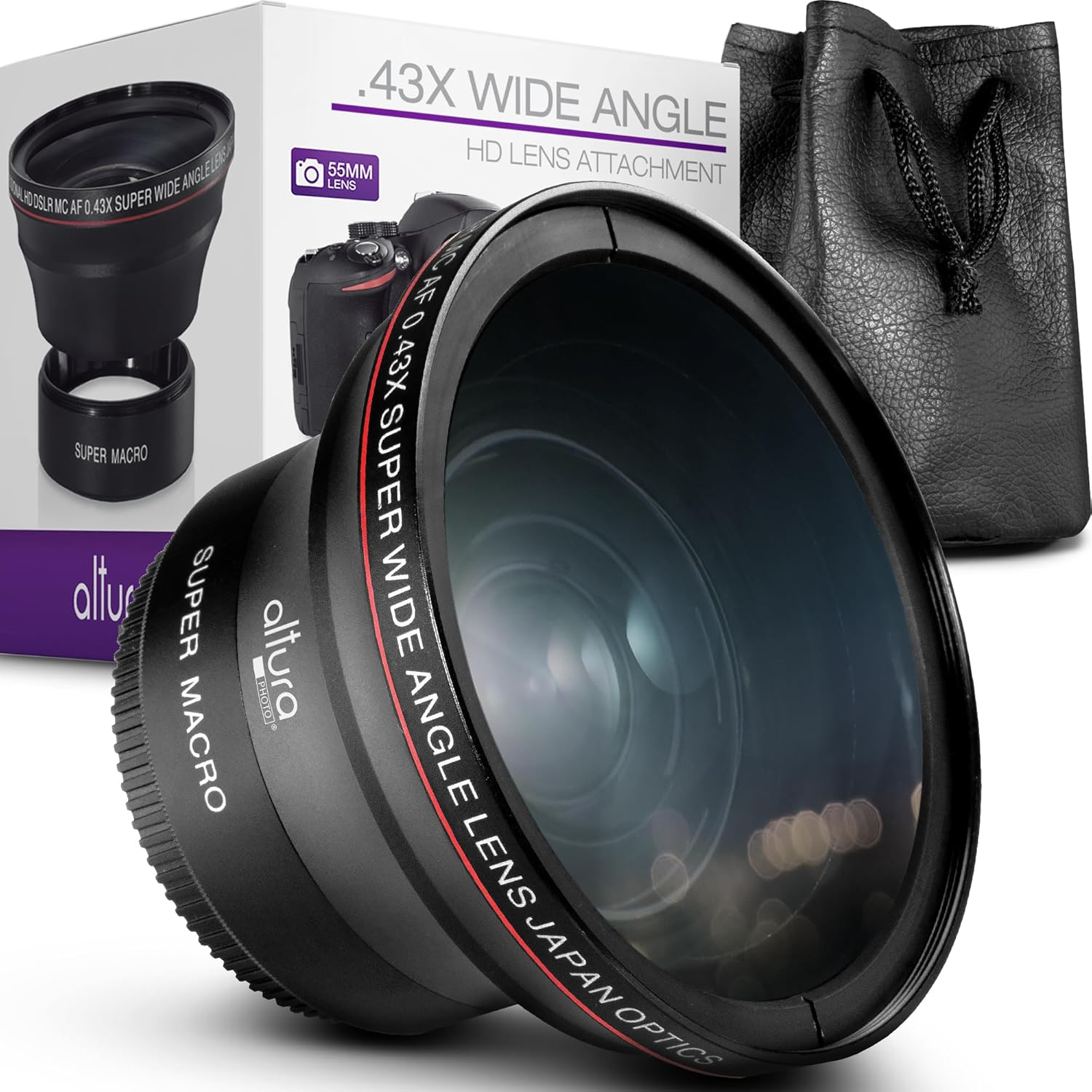
Choosing the best camera lens in 2026 is one of the most important decisions for any photographer or videographer, whether you are a beginner, enthusiast, or professional. While camera bodies are often upgraded every few years, it is the camera lens that truly defines the quality, sharpness, depth, color rendering, and overall style of your images and videos. A high-quality lens can dramatically improve your results even when used with a mid-range camera body.
From capturing breathtaking landscapes and detailed wildlife shots to professional portrait photography, cinematic videography, and stunning astrophotography, the right lens determines how effectively you can translate your creative vision into reality. Factors such as focal length, aperture, optical quality, stabilization, and build design all play a crucial role in selecting the perfect lens for your needs.
In this comprehensive guide to the best camera lenses 2026, we explore the top-performing lens categories, including telephoto zoom lenses, wide-angle zoom lenses, ultra-wide-angle zoom lenses, prime lenses, 85mm portrait lenses, and fisheye lenses. Each section is carefully structured to help you understand key specifications, performance advantages, limitations, and real-world use cases.
Whether you are investing in your first lens or upgrading your professional photography kit, this guide will help you confidently choose the best camera lens for your photography style, budget, and creative goals in 2026.
1.Telephoto Zoom Lens
Telephoto zoom lenses are powerful and versatile tools designed specifically for capturing distant subjects with exceptional clarity, detail, and compression. With long focal length ranges, these lenses allow photographers to bring faraway scenes closer without physically moving toward the subject. This makes them essential for genres such as wildlife photography, sports photography, aviation photography, and even astrophotography, where subjects like the moon and planets require significant magnification to capture fine detail.
One of the key advantages of telephoto zoom lenses is their ability to isolate subjects from the background while creating a pleasing background compression effect. This results in images where the subject appears more prominent and visually separated from distractions in the scene. Many modern telephoto zoom lenses also feature advanced optical stabilization, fast autofocus systems, and high-quality glass elements that reduce distortion and chromatic aberration, ensuring sharp results even at extreme focal lengths.
In addition to their technical performance, telephoto zoom lenses offer flexibility that makes them ideal for dynamic shooting environments. Instead of carrying multiple prime lenses, photographers can use a single zoom lens to cover a wide range of focal lengths, allowing quick composition adjustments in fast-paced situations such as live sports events or unpredictable wildlife movement. This combination of reach, versatility, and optical precision makes telephoto zoom lenses an essential part of any serious photography or videography kit in 2026.

Specifications
Pros
Cons
Telephoto zoom lenses are an essential tool for photographers who require extreme reach, precision, and the ability to isolate distant subjects with clarity and detail. They are especially valuable in specialized fields such as wildlife photography, sports, aviation, and astrophotography, where getting physically close to the subject is often impossible or impractical. Despite their relatively large size, heavy build, and the need for additional support like tripods or monopods, these lenses deliver outstanding optical performance, strong magnification capabilities, and reliable image stabilization. For photographers who prioritize image quality and reach over portability, telephoto zoom lenses offer excellent long-term value and professional-level results.

2.Wide-Angle Zoom Lens
Wide-angle zoom lenses are versatile and powerful photographic tools designed to capture a broad field of view, making them ideal for scenes where space, depth, and environmental context are important. Their ability to fit more of a scene into a single frame allows photographers to tell more complete visual stories, especially in situations where stepping back physically is not possible.
These lenses are widely used in landscape photography, where they help emphasize vast natural environments such as mountains, valleys, beaches, and city skylines. They are equally important in architecture and interior photography, as they allow entire buildings, rooms, and structural details to be captured without losing spatial balance or perspective accuracy.
In travel and documentary photography, wide-angle zoom lenses enhance storytelling by including both subjects and their surroundings in a single shot, creating a strong sense of place. They are also highly effective in astrophotography, where their wide field of view allows photographers to capture expansive night skies, Milky Way details, and foreground elements in one balanced composition.

Specifications
Pros
Cons
Wide-angle zoom lenses are among the most versatile tools in photography, offering creators the flexibility to capture a wide range of subjects without frequently changing lenses. Their broad field of view makes them especially valuable for storytelling, allowing photographers to include both subjects and their environments in a single, well-composed frame.
They are ideal for both beginners and professionals who work across multiple genres such as travel, events, landscapes, architecture, and street photography. This adaptability makes them a practical everyday lens choice, particularly for creators who need a balance between quality, portability, and creative freedom.
Despite minor drawbacks like distortion at wider focal lengths or the need for occasional post-processing corrections, their overall performance and convenience make wide-angle zoom lenses reliable “all-rounders” that consistently deliver strong, professional results across diverse shooting situations.

3.Ultra-Wide Zoom Lens
Ultra-wide zoom lenses are specialized photography tools designed to capture extremely broad scenes that go beyond the field of view of standard wide-angle lenses. They allow photographers to emphasize scale, depth, and dramatic perspective, making them ideal for situations where capturing the full environment is more important than isolating a subject.
These lenses are widely used in landscape photography, where they help capture vast natural scenes such as mountain ranges, deserts, coastlines, and city skylines with a strong sense of immersion. They are also highly effective in architecture and interior photography, where tight spaces or large structures need to be fully included in a single frame without distortion of composition.
In addition, ultra-wide zoom lenses are popular in astrophotography for capturing expansive night skies, including the Milky Way and star trails, while still including foreground elements for context. They are also favored in cinematic video production, as their exaggerated perspective and dynamic depth create visually engaging, immersive shots that enhance storytelling.

Specififications
Pros
Cons
Ultra-wide zoom lenses are best suited for photographers and videographers who require extreme perspective, expansive framing, and the ability to capture large scenes in a single composition. Their unique wide-angle reach makes them especially effective for creating dramatic, immersive visuals that emphasize depth, scale, and environmental context in a way that standard lenses cannot achieve.
They are particularly powerful in specialized fields such as astrophotography, where they capture vast night skies and celestial details, and in architectural photography, where they allow full structures and interior spaces to be documented with clarity and impact. This makes them a preferred choice for professionals working in landscape, real estate, cinematic production, and creative visual storytelling.
Although they are more expensive, heavier, and less versatile than general-purpose zoom lenses, their optical performance and creative potential make them an invaluable tool for professionals who prioritize visual impact and wide-scene coverage over portability and everyday flexibility.

4.Wide-Angle Prime Lens
Wide-angle prime lenses are fixed focal length lenses designed to deliver exceptional image quality, wide field of view, and superior optical performance compared to zoom lenses. Because they do not zoom, they are engineered with fewer optical compromises, resulting in sharper images, better contrast, and reduced distortion, making them highly reliable for professional and creative photography work.
These lenses are especially popular in landscape photography, where their wide perspective allows photographers to capture vast natural scenes with excellent clarity and detail from edge to edge. They are also widely used in architectural and interior photography, where accurate perspective and minimal distortion are essential for representing structures and enclosed spaces faithfully.
In astrophotography, wide-angle prime lenses are particularly valuable due to their fast apertures, which allow more light to reach the sensor, making it easier to capture stars, the Milky Way, and night skies with reduced noise and improved clarity. Their simplicity, sharpness, and strong low-light performance make them a favorite among photographers who prioritize image quality and precision over zoom flexibility.

Specifications
Pros
Cons
Wide-angle prime lenses are designed for photographers who prioritize maximum image quality, sharpness, and low-light performance over zoom flexibility. Their fixed focal length and fast aperture allow for highly optimized optical performance, resulting in cleaner, more detailed, and more consistent images across the entire frame. This makes them especially valuable for professionals and enthusiasts who demand precision in their work.
They are among the best choices for specialized genres such as astrophotography, where their wide aperture and excellent light-gathering ability make it easier to capture stars, the Milky Way, and night skies with minimal noise and exceptional clarity. They are also highly effective in architectural and landscape photography, where edge-to-edge sharpness and minimal distortion are essential for producing high-quality, realistic images.
Although they are less flexible and less suitable for casual or general-purpose shooting, wide-angle prime lenses remain a top-tier option for serious creators who want uncompromising optical performance and are willing to work within a fixed focal length to achieve superior results.

5. 85mm Portrait Lens
The 85mm portrait lens is widely regarded as one of the most important tools in portrait photography due to its ability to produce flattering perspective, natural facial proportions, and strong subject isolation. Its medium telephoto focal length allows photographers to maintain a comfortable working distance from the subject while still capturing intimate, detailed expressions and emotions.
This lens is especially popular in portrait, wedding, fashion, and studio photography, where subject emphasis and aesthetic background blur (bokeh) are essential. The 85mm focal length naturally compresses the background, making it appear smoother and less distracting while keeping the subject sharply defined and visually prominent in the frame.
In addition to its optical advantages, the 85mm lens is valued for its versatility in controlled and outdoor environments. It performs exceptionally well in both natural light and studio lighting setups, delivering consistent sharpness, pleasing tonal transitions, and professional-quality results that make it a favorite among portrait photographers worldwide.

Specifications
Pros
Cons
The 85mm lens is a premium choice for photographers who specialize in portraits, weddings, and expressive visual storytelling. Its unique focal length and wide aperture combination allow it to render subjects with natural perspective while creating beautifully blurred backgrounds that enhance emotional impact and visual focus. This makes it especially effective for capturing detailed facial expressions and intimate moments with a professional look.
Its strong ability to isolate subjects from the background gives it a distinctive advantage in portrait photography, ensuring that the subject remains the clear focal point of every image. This optical characteristic, combined with excellent sharpness and pleasing depth of field, makes it one of the most trusted and widely used lenses among professional photographers.
Although it is less versatile for wide scenes and everyday shooting, the 85mm lens remains one of the most desirable tools in photography due to its consistency, aesthetic rendering and ability to produce high-quality, visually compelling portraits across different lighting and shooting conditions.

6.Fisheye Lens
Fisheye lenses are highly specialized ultra-wide-angle lenses designed to capture extremely broad fields of view, often up to 180 degrees or more, resulting in a distinctive curved, spherical distortion effect. Unlike traditional wide-angle lenses that try to maintain straight lines, fisheye lenses intentionally bend lines outward, creating a dramatic, exaggerated perspective that feels immersive and artistic.
These lenses are widely used in creative photography, action sports, skateboarding, surfing, and extreme sports, where their ability to capture both the subject and the surrounding environment in a single dynamic frame enhances storytelling and energy. They are also popular in experimental and artistic photography, where photographers intentionally use distortion to create unique visual styles that stand out.
In addition, fisheye lenses are sometimes used in architecture and interior photography for creative effect, as well as in virtual reality and panoramic imaging applications. Their bold and unconventional look makes them less about realism and more about creativity, expression, and visual impact.

Specifications
Pros
Cons
Fisheye lenses are best suited for creative photographers, filmmakers, and content creators who want to produce bold, unconventional, and visually striking imagery. Their extreme wide-angle distortion transforms ordinary scenes into immersive, eye-catching compositions that stand out and immediately capture attention, making them highly effective for artistic storytelling and experimental work.
While they are not practical for everyday or general-purpose photography due to their strong distortion and limited realism, fisheye lenses excel in niche applications where creativity and visual impact are the priority. This makes them especially valuable in areas such as sports, action shots, music visuals, creative branding, and artistic projects.
Ultimately, fisheye lenses are powerful tools for expression rather than accuracy, offering photographers a unique way to break traditional composition rules and explore more dynamic, imaginative, and visually engaging perspectives.

Frequently Asked Questions
1. What is the difference between prime and zoom lenses?
Prime lenses have a fixed focal length and generally offer sharper image quality and wider apertures, while zoom lenses provide flexibility by covering multiple focal lengths in one lens, making them more versatile for different shooting situations.
2. Which lens is best for beginners in photography?
A wide-angle zoom lens or a standard kit zoom lens is usually best for beginners because it offers flexibility to shoot landscapes, portraits, and everyday scenes without frequently changing lenses.
3. What lens is best for portrait photography?
The 85mm portrait lens is widely considered the best for portraits because it provides natural facial proportions, strong subject separation, and beautiful background blur (bokeh).
4. Which lens is best for wildlife and sports photography?
Telephoto zoom lenses (such as 200–500mm) are best for wildlife and sports because they allow you to capture distant and fast-moving subjects with clarity and detail.
5. Why do wide-angle lenses distort images?
Wide-angle and ultra-wide lenses bend light to capture a wider field of view, which naturally causes stretching and distortion at the edges, especially when shooting close to subjects.
6. What is the best lens for astrophotography?
Wide-angle prime lenses and ultra-wide zoom lenses with fast apertures (like f/1.4–f/2.8) are ideal for astrophotography because they allow more light and capture wide night sky scenes.
7. Do I need expensive lenses to take good photos?
Not necessarily. While professional lenses improve sharpness, low-light performance, and depth of field, good composition, lighting, and technique matter just as much in photography.
8. What is lens distortion correction?
Lens distortion correction is a post-processing technique used in editing software to fix bending lines, vignetting, and optical imperfections caused by wide-angle and fisheye lenses.
9. Can one lens do everything?
No single lens can cover all photography needs perfectly. Each lens type (wide-angle, telephoto, prime, fisheye) is designed for specific purposes and creative effects.
10. Are heavier lenses better in quality?
Not always. Heavier lenses often use larger glass elements for better optical performance, but quality depends on design, not just weight.

Conclusion
Understanding different types of camera lenses is essential for improving both technical skills and creative expression in photography. Each lens type serves a unique purpose, from capturing wide landscapes and dramatic architecture to isolating subjects in portrait photography or reaching distant wildlife with telephoto zooms. Wide-angle lenses provide immersive storytelling, while prime lenses offer unmatched sharpness and low-light performance. Specialty lenses like fisheye add creative distortion, and portrait lenses such as the 85mm are designed to produce flattering, professional-quality results.
There is no single “best” lens for every situation; instead, the right choice depends on the subject, environment, and creative intention of the photographer. By understanding the strengths and limitations of each lens type, photographers can make more informed decisions, improve image quality, and expand their creative possibilities across different genres.
Ultimately, mastering lens selection is a key step toward professional growth in photography, allowing creators to move beyond basic snapshots and produce intentional, impactful, and visually compelling images that tell stronger stories.