
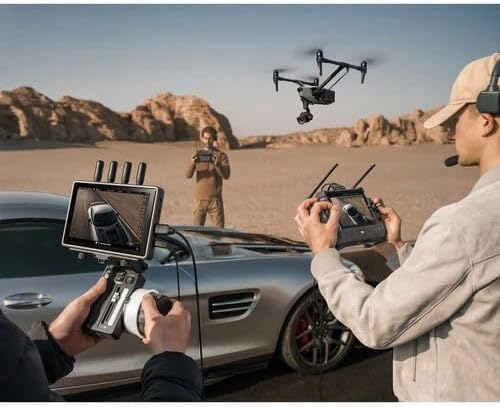
Choosing the ideal camera drone can feel daunting given the sheer variety of cutting-edge technology on the market today. As the undisputed industry leader, DJI dominates aerial photography, FPV flight, and commercial cinematography with models tailored to every skill level and budget.
Whether you need a featherweight quadcopter to bypass strict regulations or a full-frame cinema rig for professional productions, selecting the right aircraft comes down to matching its camera system, range, and flight dynamics to your specific creative goals.
In this definitive review, we examine 7 of the best DJI drones, ranging from palm-launchable selfie flyers to 8K cinematic powerhouses. Each featured drone has been thoroughly tested across real-world flight conditions to evaluate sensor performance, obstacle avoidance accuracy, wind resistance, and battery longevity.
Below, you will find an extensive side-by-side comparison table, followed by in-depth breakdowns, technical specifications, key pros and cons, and tailored purchasing advice for every model.Understanding core aerial imaging metrics like sensor size, transmission range, and weight thresholds is crucial before making an investment.
Ultra-light drones weighing under 249 grams offer hassle-free travel and minimal regulatory friction, while larger airframes bring superior stability, multi-lens versatility, and high-bitrate video formats like Apple ProRes. Read on to explore how these top-tier DJI quadcopters stack up and find the perfect match for your workflow.
Feature Comparison of 7 best DJI Drones
| Drone Model | Sensor Size and Max Resolution | Max Flight Time | Max Transmission Range | Takeoff Weight | Standout Feature |
| DJI Mini 5 Pro | 1-inch CMOS / 50MP (4K/100fps) | 36 mins | 20 km (12.4 mi) | 249g | Built-in LiDAR & True Vertical Shooting |
| DJI Mavic 3 Pro | 4/3-inch Hasselblad + Dual Tele / 20MP | 46 mins | 15 km (9.3 mi) | 895g | Triple-camera system with 7x optical zoom |
| DJI Neo | 1/2-inch CMOS / 12MP (4K/30fps) | 17 mins | 10 km (6.2 mi) | 135g | AI palm launch without a remote controlle |
| DJI Flip | 1/1.3-inch CMOS / 48MP (4K/100fps) | 31 mins | 13 km (8.0 mi) | 249g | Rugged enclosed cage for family safety |
| DJI Avata 2 | 1/1.3-inch CMOS / 12MP (4K/60fps) | 23 mins | 13 km (8.0 mi) | 377g | Immersive First-Person View (FPV) & Easy Acro |
| DJI Air 3 | Dual 1/1.3-inch CMOS / 48MP (4K/100fps) | 46 mins | 12 km (7.5 mi) | 720g | Dual wide (24mm) & medium tele (70mm) lenses |
| DJI Inspire 3 | Full-Frame Zenmuse X9-8K Air / 44.7MP | 28 mins | 15 km (9.3 mi) | 3,995g | 8K CinemaDNG & Apple ProRes full-frame cinema |
1.DJI Mini 5 Pro
Best Overall Lightweight Drone
The DJI Mini 5 Pro redefines the ultra-light category by pairing a massive 1-inch 50MP image sensor with advanced LiDAR-assisted collision detection all while staying under the critical 249-gram weight threshold. Building upon the success of its predecessors, it offers native vertical shooting for social media creators, smooth 4K video recording up to 100fps, and robust O4 transmission that maintains a stable video feed up to 20 kilometers away.
Designed for travelers and serious hobbyists alike, this compact quadcopter balances extreme portability with uncompromised image quality. Its upgraded obstacle sensing array operates reliably even in low-light environments, giving pilots peace of mind when flying through tight spaces or dense foliage.
| Feature | Specification details |
| Weight | 249g (takeoff weight with standard battery) |
| Camera Sensor | 1-inch CMOS, 50MP effective pixels |
| Video Resolution | 4K up to 100fps, 10-bit D-Log M |
| Maximum Flight Time | 36 minutes |

Pros
✔ Integrated LiDAR technology provides precise omnidirectional obstacle avoidance, ensuring safer and more reliable drone flights even in low-light environments.
✔ True vertical camera rotation captures uncropped native 9:16 videos, making it perfect for creating high-quality content for TikTok, Instagram Reels, and YouTube Shorts.
✔ The lightweight sub-249g design offers excellent portability while avoiding drone registration requirements in many countries.
✔ Advanced 4K/100fps video recording delivers ultra-smooth, cinematic footage with exceptional detail for professional aerial photography and videography.
✔ DJI O4 long-range transmission technology ensures a stable, low-latency live video feed for reliable long-distance flights and uninterrupted aerial filming.
Cons
❌ The premium price places it close to larger mid-range DJI drones that offer additional advanced features and capabilities.
❌ Its lightweight airframe is more susceptible to wind drift, making flights less stable in strong or gusty conditions.
❌ The absence of built-in internal storage means you must use a microSD card for all photo and video recordings.
The DJI Mini 5 Pro stands out as one of the best lightweight camera drones, combining flagship imaging performance, advanced LiDAR-powered omnidirectional obstacle avoidance, and intelligent flight features in an ultra-portable sub-249g design. With stunning 4K/100fps video recording, true vertical shooting, and long-range O4 transmission, it is an excellent choice for travelers, content creators, photographers, and filmmakers who want professional-quality aerial footage without the bulk of larger drones.
Despite its premium price, the Mini 5 Pro delivers exceptional value for anyone seeking top-tier performance in a compact, travel-friendly package.

2.DJI Mavic 3 Pro
Best Camera Drone for Photographers
Featuring a revolutionary triple-camera array, the DJI Mavic 3 Pro stands as the ultimate tool for aerial photographers and cinematographers. Its main camera boasts a massive 4/3-inch Hasselblad sensor capable of 5.1K video and dynamic 20MP stills, complimented by two telephoto lenses (70mm equivalent and 162mm equivalent) to capture compressed perspectives without flying dangerously close to subjects.
With up to 46 minutes of flight time and omnidirectional obstacle sensing, the Mavic 3 Pro allows creators to execute complex waypoint missions and dynamic subject tracking effortlessly. Its robust airframe offers high wind resistance, making it an indispensable workhorse for outdoor landscape and commercial photography.
| Feature | Specification Details |
| Weight | 895g |
| Camera Sensor | 4/3-inch Hasselblad CMOS (Main) + Dual Telephoto Sensors |
| Video Resolution | 5.1K at 50fps, 4K at 120fps (10-bit D-Log / ProRes on Cine edition) |
| Maximum Flight Time | 46 minutes |

Pros
✔ The versatile triple-lens camera system offers unmatched focal length flexibility, making it ideal for capturing diverse cinematic aerial perspectives.
✔ The large 4/3-inch Hasselblad CMOS sensor delivers exceptional image quality with outstanding dynamic range, vibrant colors, and professional-grade detail.
✔ An impressive maximum flight time of up to 46 minutes allows for longer aerial shooting sessions with fewer battery changes.
✔ Advanced APAS 5.0 omnidirectional obstacle avoidance enhances flight safety by intelligently detecting and avoiding obstacles in every direction.
✔ Professional 10-bit D-Log and Apple ProRes video recording provide extensive color grading flexibility for high-end filmmaking and content creation.
Cons
❌ The lack of a mechanical shutter makes the drone less suitable for high-speed mapping and professional surveying applications.
❌ The telephoto cameras produce lower image resolution and detail compared to the primary 4/3-inch Hasselblad sensor.
❌ Its heavier airframe exceeds lightweight drone limits, requiring registration and compliance with drone regulations in many countries.
The DJI Mavic 3 Pro is the ultimate professional camera drone, combining a powerful triple-camera system, exceptional flight performance, and industry-leading image quality.
With its 4/3-inch Hasselblad sensor, long 46-minute flight time, advanced obstacle avoidance, and professional 10-bit video capabilities, it is the perfect choice for filmmakers, photographers, and content creators seeking cinematic aerial footage and uncompromising performance.

3. DJI Neo
Best Value and Entry-Level Drone
Weighing just 135 grams, the DJI Neo is the lightest, most accessible drone in DJI’s lineup, capable of launching directly from and landing on your palm without a remote controller. Powered by AI subject tracking, it automatically follows users and executes pre-programmed quickshots like Dronie, Circle, and Rocket at the press of a single button.
Despite its tiny size and low cost, the Neo captures sharp 4K stabilized video and offers flexible control options. Pilots can operate it via smartphone Wi-Fi, pair it with standard DJI controllers, or even connect FPV goggles for an immersive pilot view, making it the perfect entry point for beginners and casual vloggers.
| Weight | 135g |
| Camera Sensor | 1/2-inch CMOS, 12MP |
| Video Resolution | 4K at 30fps with RockSteady Electronic Image Stabilization |
| Maximum Flight Time | 17 minutes |
| Transmission System | Wi-Fi (phone) or DJI O4 (controller up to 10 km) |

Pros
✔ The budget-friendly price makes aerial photography and videography accessible to beginners and first-time drone pilots.
✔ AI-powered palm launch and controller-free flight modes provide a simple, intuitive flying experience without the need for a remote controller.
✔ The fully enclosed propeller guards improve safety, protect fingers from spinning blades, and enhance durability during everyday use.
✔ Compatibility with optional DJI FPV goggles delivers an immersive first-person flying experience at an affordable price.
✔ Its ultra-lightweight, pocket-sized design makes the drone incredibly portable for travel, outdoor adventures, and spontaneous content creation.
Cons
❌ The single-axis mechanical gimbal relies heavily on electronic stabilization, resulting in less stable footage compared to drones with a 3-axis gimbal.
❌ The maximum 17-minute flight time is relatively short, making extra batteries essential for extended aerial photography and videography sessions.
❌ The compact motor design offers limited wind resistance, reducing flight stability in strong or gusty conditions.
The DJI Neo is one of the best budget-friendly drones for beginners, combining AI-powered palm launch, controller-free operation, and 4K video recording in an ultra-lightweight, pocket-sized design.
With its built-in propeller guards, intuitive intelligent flight modes, and seamless smartphone connectivity, it offers a safe and effortless way to capture high-quality aerial selfies and cinematic content, making it an excellent choice for first-time pilots, travelers, and social media creators.
4.DJI Flip
Best Cheap 4K Drone for Families
The DJI Flip merges high-end camera capabilities with an ultra-safe, family-friendly design featuring built-in propeller cages. Weighing under 249 grams, it houses a 1/1.3-inch 48MP sensor capable of shooting crisp 4K footage at up to 100fps, making high-speed action clips look buttery smooth without risking exposed rotor blades during low-altitude passes.
Designed with intuitive controls and intelligent AI subject tracking, the Flip allows users to capture personal vlogs or family gatherings effortlessly. Its durable frame can survive accidental bumps against walls or branches, making it a reliable tool for beginners who prioritize safety over high-speed racing dynamics.
| Feature | Specification details |
| Weight | 249g |
| Camera Sensor | 1/1.3-inch CMOS, 48MP |
| Video Resolution | 4K up to 100fps, RAW photo support |
| Maximum Flight Time | 31 minutes |

Pros
✔ The fully enclosed propeller cage enhances safety by protecting both the drone and users during hand launches, landings, and accidental impacts.
✔ The lightweight sub-249g design offers exceptional portability while avoiding drone registration requirements in many countries.
✔ High-quality 4K/100fps video recording captures ultra-smooth slow-motion footage with outstanding clarity for professional content creation.
✔ The advanced 3-axis mechanical gimbal delivers stable, cinematic aerial footage even when flying in windy or challenging conditions.
✔ Built-in 2GB of internal storage provides convenient emergency backup recording when a microSD card is unavailable or full.
Cons
❌ The enclosed propeller guards generate slightly more wind noise, which may be noticeable during low-altitude flights and video recording.
❌ The drone lacks full omnidirectional obstacle avoidance, offering less collision protection in complex flying environments.
❌ The vertical video mode uses a cropped image rather than native sensor rotation, resulting in a narrower field of view.
The DJI Flip is an excellent compact camera drone that combines advanced safety features, reliable 4K video performance, and user-friendly operation in a lightweight sub-249g design.
With its enclosed propeller guards, 3-axis mechanical gimbal, high-frame-rate 4K/100fps recording, and intelligent flight capabilities, it is an ideal choice for families, beginners, travelers, and content creators seeking a durable, safe, and portable drone for capturing smooth, professional-quality aerial photos and videos.

5.DJI Avata 2
Best for Immersive FPV Flying
The DJI Avata 2 makes thrilling First-Person View (FPV) flight accessible to non-experts through intuitive motion-controller movement and automated stunt capabilities. Paired with the DJI Goggles 3, pilots experience ultra-low latency HD video as if sitting in the cockpit, while built-in propeller guards allow the drone to bounce safely off obstacles during close-quarters maneuvers.
Equipped with a 1/1.3-inch sensor recording 4K/60fps footage in D-Log M, the Avata 2 captures sweeping cinematic “cinewhoop” shots inside buildings or around tight natural landscapes. Features like Turtle Mode automatically flip the drone upright if it lands upside down, reducing downtime and stress during intense flights.

| Feature | Specification Details |
| Weight | 377g |
| Camera Sensor | 1/1.3-inch CMOS, 12MP |
| Video Resolution | 4K at 60fps / 2.7K at 120fps (155° Ultra-Wide FOV) |
| Maximum Flight Time | 23 minutes |
Pros
✔ The intuitive DJI Motion Controller makes FPV flying easy to learn, allowing beginners to enjoy smooth and immersive drone piloting with minimal practice.
✔ The ultra-wide 155° field of view captures breathtaking cinematic perspectives, creating immersive aerial footage with enhanced visual impact.
✔ The rugged cinewhoop-style frame with integrated propeller guards improves durability and protects the drone during minor collisions and indoor flights.
✔ One-Button ACRO mode enables effortless flips, rolls, and drift maneuvers, making dynamic FPV aerial stunts accessible to pilots of all skill levels.
✔ The emergency hover brake instantly stops the drone and stabilizes it mid-air, providing enhanced safety and confidence during FPV flights.
Cons
❌ The drone exceeds the 249g weight threshold, requiring registration and compliance with drone regulations in many countries.
❌ Performing traditional manual Acro flights requires purchasing an optional DJI remote controller, increasing the overall cost.
❌ The single-axis mechanical gimbal depends heavily on electronic image stabilization, offering less stabilization than a full 3-axis gimbal.
The DJI Avata 2 is one of the best FPV drones for beginners and enthusiasts, combining immersive first-person flying with professional-quality 4K video recording in a durable cinewhoop-style design.
Its intuitive Motion Controller, ultra-wide 155° field of view, advanced safety features, and One-Button Acro mode make it easy to capture thrilling cinematic footage while building FPV flying skills. Whether you’re exploring freestyle flight or creating dynamic action videos, the Avata 2 delivers an outstanding balance of performance, safety, and ease of use.

6.DJI Air 3
Best Mid-Range Versatility
The DJI Air 3 strikes an ideal balance between weight, performance, and price, featuring a dual-primary camera system with a 24mm wide-angle lens and a 70mm 3x medium telephoto lens. Both camera sensors capture 48MP photos and 4K video at 100fps, allowing creators to switch focal lengths seamlessly to add cinematic depth and compression to their footage.
Boasting an impressive 46-minute flight time and APAS 5.0 omnidirectional obstacle sensing, the Air 3 flies comfortably in high-wind conditions that make smaller drones struggle. Its advanced waypoint planning and subject tracking make it a versatile asset for commercial real estate shots and outdoor adventures.

| Feature | Specification Details |
| Weight | 720g |
| Camera Sensor | Dual 1/1.3-inch CMOS sensors, 48MP |
| Video Resolution | 4K at 100fps, 10-bit D-Log M / HLG |
| Maximum Flight Time | 46 minutes |
Pros
✔ The dual 48MP camera system delivers consistently high-resolution images across both the wide-angle and 3x telephoto lenses for versatile aerial photography.
✔ An impressive maximum flight time of up to 46 minutes enables extended aerial filming sessions with fewer battery changes.
✔ Advanced omnidirectional obstacle sensing enhances flight safety by intelligently detecting and avoiding obstacles from every direction.
✔ The 3x optical telephoto lens captures stunning cinematic perspectives with natural depth compression and detailed close-up shots from a safe distance.
✔ Its robust airframe provides excellent wind resistance, ensuring stable, smooth, and reliable flights even in challenging weather conditions.
Cons
❌ The drone weighs more than 249g, requiring registration and compliance with drone regulations in many countries.
❌ Its dual 1/1.3-inch image sensors are smaller than the 1-inch sensor found on the DJI Air 2S, resulting in slightly lower low-light performance.
❌ The camera does not support native vertical gimbal rotation, requiring cropped footage for vertical social media content.
The DJI Air 3 is one of the best all-around camera drones for photographers, videographers, and content creators seeking professional performance without stepping up to a flagship model.
Featuring dual 48MP cameras, an impressive 46-minute flight time, advanced omnidirectional obstacle avoidance, and exceptional wind resistance, it delivers outstanding image quality and creative flexibility for a wide range of aerial projects. Whether you’re capturing cinematic landscapes, travel content, or commercial footage, the DJI Air 3 offers an excellent balance of power, portability, and value.

7.DJI Inspire 3
Best for Professional Cinema Production
Designed for high-end film sets and commercial production houses, the DJI Inspire 3 is a full-frame 8K cinema drone featuring an interchangeable lens system. Its Zenmuse X9-8K Air camera supports internal recording of CinemaDNG and Apple ProRes RAW, offering breathtaking dynamic range and precise color management tailored for Hollywood-grade post-production workflows.
Built on a massive transformable airframe with 360-degree pan capability, dual-operator support, and centimeter-level RTK positioning, the Inspire 3 allows precise repeat flight paths and complex camera movements. It represents the pinnacle of aerial filmmaking technology, built without compromise for demanding film crews.
| Feature | Specification Details |
| Weight | 3,995g (including dual batteries and lens) |
| Camera Sensor | Full-Frame Zenmuse X9-8K Air, 44.7MP |
| Video Resolution | 8K/75fps ProRes RAW, 8K/25fps CinemaDNG |
| Maximum Flight Time | 28 minutes |

Pros
✔ The full-frame 8K camera sensor delivers exceptional image quality with outstanding dynamic range, low-light performance, and cinematic detail for professional filmmaking.
✔ Native support for Apple ProRes RAW and CinemaDNG codecs provides maximum editing flexibility and preserves the highest video quality for post-production workflows.
✔ The 360-degree unobstructed pan system with dual-operator control enables smooth, uninterrupted camera movements for complex cinematic aerial shots.
✔ Integrated RTK positioning delivers centimeter-level flight accuracy, allowing precise route repetition for film productions, inspections, and mapping projects.
✔ The interchangeable DJI DL mount lens system offers true cinematic focal length flexibility, giving filmmakers complete creative control over every aerial scene.
Cons
❌ The exceptionally high purchase price makes the drone best suited for professional film studios, production companies, and rental houses.
❌ Its large airframe requires dedicated hard cases and additional transport space, making travel less convenient than with compact drones.
❌ The dual TB51 battery system is costly to maintain and requires extra charging time and careful pre-flight battery management.
The DJI Inspire 3 is DJI’s ultimate professional cinema drone, purpose-built for filmmakers, production studios, and commercial cinematographers who demand uncompromising aerial imaging performance.
Featuring a full-frame 8K camera, Apple ProRes RAW and CinemaDNG recording, interchangeable DL mount lenses, RTK precision positioning, and a 360-degree camera system, it delivers exceptional creative flexibility and cinematic image quality. While its premium price and advanced operation make it unsuitable for casual users, the Inspire 3 remains the gold standard for high-end aerial filmmaking, broadcast productions, and feature film projects.

Frequently asked questions
1. Why is the 249g weight threshold critical?
Drones under 249g (e.g., Mini 5 Pro, Flip, Neo) fall into lighter regulatory tiers worldwide. Flying sub-249g models generally allows pilots to bypass mandatory registration fees, skip formal pilot exams, and enjoy broader operational flexibility near bystanders.
2. How does D-Log M differ from standard color profiles?
Standard profiles output contrasty, pre-processed footage ready for immediate sharing. DJI D-Log M records flat, 10-bit color that preserves dynamic range in highlights and shadows, giving creators maximum flexibility to color grade without degrading quality.
3. Do all DJI drones require a remote controller?
No. Models like the DJI Neo and DJI Flip offer controller-free modes using AI tracking, gesture commands, or smartphone apps. However, pairing them with a physical controller vastly improves flight speed, precision, and signal range.
4. What is the benefit of a multi-camera drone?
Drones with dual or triple lenses (e.g., Air 3, Mavic 3 Pro) let pilots switch focal lengths mid-flight without landing. Telephoto lenses create cinematic background compression and safely isolate subjects from a distance.
5. Can I use FPV goggles with non-FPV drones?
Yes. DJI’s newer non-FPV quadcopters (like the Mini 5 Pro and Air 3) are compatible with the DJI Goggles 3 and RC Motion 3 controller, giving standard camera drones an immersive first-person view experience.

Final Buyer’s Guide
How to Choose the Best DJI Drone
✔ Best for Travel and Portability: Choose the DJI Mini 5 Pro or DJI Flip for their lightweight sub-249g design, excellent 4K video quality, and hassle-free travel.
✔ Best for Professional Photography and Filmmaking: Select the DJI Mavic 3 Pro for flagship image quality and a triple-camera system, or the DJI Air 3 for outstanding value with dual 48MP cameras and an impressive 46-minute flight time.
✔ Best for Beginners: The DJI Neo offers AI-powered flight modes, controller-free operation, and an affordable way to start capturing high-quality aerial photos and videos.
✔ Best for FPV Flying: The DJI Avata 2 delivers an immersive FPV experience with intuitive controls, rugged durability, and smooth cinematic 4K video recording.
✔ Best for Professional Cinema Production: The DJI Inspire 3 is the ultimate aerial filmmaking drone, featuring a full-frame 8K camera, Apple ProRes RAW recording, and industry-leading cinematic performance.
How to test DJI Drones
✔ Inspect the Drone: Check the propellers, motors, battery, camera, and sensors for any signs of damage, and ensure the battery is fully charged before takeoff.
✔ Verify Flight Systems: Update the firmware, calibrate the compass and IMU, confirm a strong GPS signal, and set a safe Return-to-Home (RTH) altitude.
✔ Perform a Test Flight: Hover the drone at a low altitude to evaluate stability, responsiveness, wind resistance, and the accuracy of the flight controls.
✔ Test Camera and Safety Features: Record photos and videos at different resolutions, evaluate image quality, and verify obstacle avoidance, tracking, and transmission performance.
✔ Complete a Post-Flight Check: Test the Return-to-Home function, inspect the drone for overheating or damage, and review the flight logs for any warnings or system errors.
Conclusion
Whether you are a casual hobbyist looking for a portable selfie flyer, a travel content creator needing a sub-249g drone that skips heavy regulation, or a commercial filmmaker requiring full-frame cinematic precision, DJI’s 2026 lineup offers a tailored solution for every budget and workflow.
Selecting the ideal drone ultimately comes down to balancing your portability needs with camera requirements such as sensor size, multi-camera focal flexibility, and obstacle avoidance technology. By matching these key features to your specific shooting style, you ensure your drone choice remains a reliable, high-performing investment for your aerial media production for years to come.
